
In the highly complex landscape of modern automotive manufacturing, microscopic particulate contamination poses a severe threat to vehicle safety and operational longevity. To address this invisible hazard, the global engineering community relies on strict technical cleanliness guidelines. A specialized iso 16232 testing protocol serves as the international benchmark for determining the level of residual debris present on functionally critical automotive parts. This comprehensive procedure provides laboratories with a standardized methodology to extract, identify, and measure microscopic burrs, casting sand, and synthetic fibers left behind after industrial machining and washing stages. By quantifying these hidden contaminants, engineers can confidently approve components for final assembly.
The architecture of contemporary vehicles demands absolute precision. Modern internal combustion engines utilize high pressure fuel injectors with microscopic internal clearances. Similarly, advanced anti lock braking systems and hydraulic power steering units rely on pristine fluid dynamics to function correctly. If a tiny, abrasive metallic particle enters these enclosed fluid lines, it can score cylinder walls, jam critical control valves, and ultimately cause a complete mechanical breakdown. Therefore, validating the efficiency of industrial cleaning systems through scientific analysis is an absolute necessity for preventing catastrophic field failures.
Core Methodologies for Particulate Extraction
To achieve highly accurate and reproducible data, laboratories must follow strictly defined physical extraction techniques designed to simulate the real world stresses a component will face.
- Pressure Rinsing and Fluid Agitation: Solid components are placed inside specialized cleanroom extraction cabinets. Technicians use highly filtered, pressurized solvent sprays to wash the external and internal surfaces of the part, actively dislodging trapped manufacturing debris from complex geometries.
- Ultrasonic Bath Extraction: For parts with intricate internal channels or deeply embedded contaminants, ultrasonic waves are deployed within a fluid bath. This vibrates the component at a high frequency, loosening stubborn particles that standard fluid rinsing simply cannot reach.
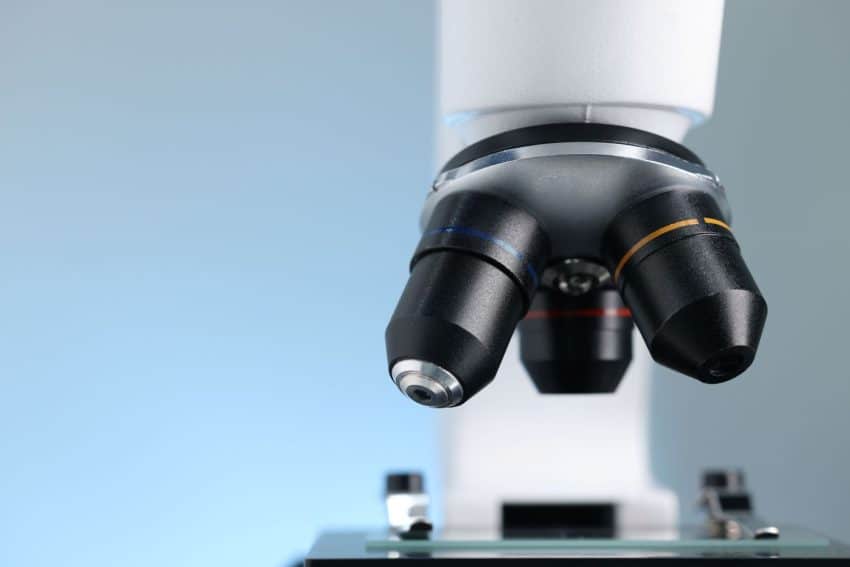
- Microscopic Particle Analysis: The resulting wash fluid is passed through a very fine filter membrane. This membrane is dried and placed under an automated high resolution microscope, which systematically scans the surface to count, measure, and categorize every individual particle by its specific dimensions and material composition.
Maintaining Compliance in the Global Supply Chain
Major vehicle brands require their tier one and tier two suppliers to provide undeniable proof that their parts meet stringent cleanliness thresholds. Failing to provide this certified analytical data results in rejected shipments and lost production contracts. To secure their position in the highly competitive global market, proactive automotive suppliers must partner with certified independent laboratories to verify their internal quality control processes objectively.
Providing highly accurate technical data is essential for maintaining consumer safety and brand reputation across the automotive sector. By integrating the advanced capabilities of an Alstesting Laboratory Testing service in Malaysia, manufacturers can guarantee that their sensitive components meet the absolute highest international standards for technical cleanliness and mechanical durability.
Frequently Asked Questions (FAQ)
Does this specific cleanliness standard apply to electric vehicles?
Yes, it is highly applicable and increasingly critical for electric vehicle production. While traditional engines focus on preventing mechanical abrasion, electric vehicles face massive risks from conductive metallic particles. A microscopic metal flake left inside a high voltage battery enclosure or thermal cooling system can easily bridge an electrical gap, causing a dangerous short circuit.
How does a laboratory differentiate between dangerous and harmless particles?
The automated microscope software categorizes particles not only by their length and width but also by their distinct optical properties. Shiny, highly reflective particles are classified as metallic debris, which is physically hard, abrasive, and highly dangerous to moving parts. Non reflective particles, such as synthetic plastics or organic fibers, are categorized separately as they pose a different type of risk, such as gradual filter clogging.
Can this testing protocol be modified for specific automotive buyer requirements?
While the international framework provides a rigid, standardized baseline for the physical extraction and microscopic measurement techniques, individual automotive manufacturers often set their own unique threshold limits for acceptable particle sizes and maximum allowable quantities. The laboratory uses the standardized testing method to gather the raw data, which is then compared directly against the specific, customized limits required by the buyer.